












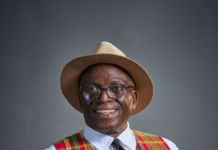













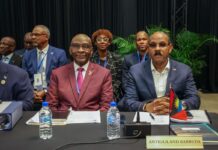
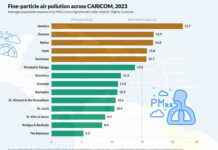

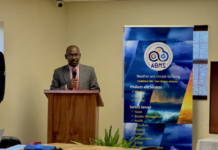












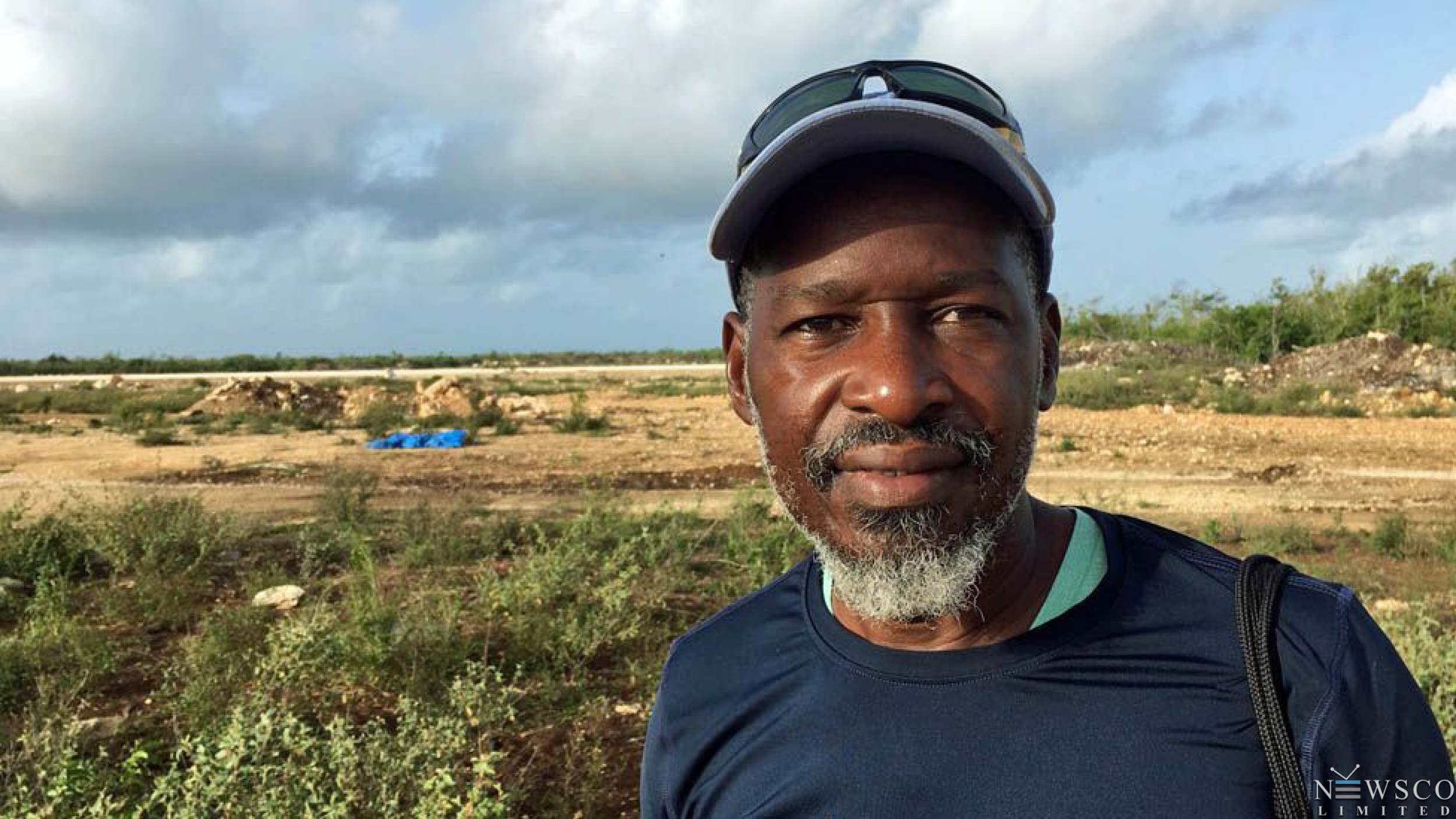
Barbudan environmental activist John Mussington says regional governments need to do more to protect the interests and listen to the concerns of indigenous people on climate and development issues.
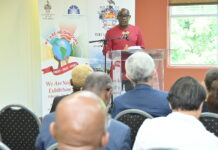
Mussington made the argument as part of a webinar organised by Cari Bois Environmental News Network on the “Importance of the Climate Justice Movement in the Caribbean”.
The web series is an initiative aiming to advance discussions about climate change among regional media and the wider Caribbean public. Yesterday, it featured regional environmentalists such as Dr Theresa Rodriguez-Moodie from the Jamaica Environment Trust, Onnie Emerenciana from Bonaire, and Christine Samwaroo from The Breadfruit Collective in Guyana.
Mussington told listeners that the webinar represents the commonality of environmental challenges, regardless of whether a small island state or continental territory.
“In this day and age, we are all facing together the worse challenges so far, and that is the climate crisis and what climate justice is all about,” Mussington said.
He noted that while Barbuda, as a small island with flat terrain, often bears the brunt of hurricane damage, “when it comes to climate justice, who pays for the inconvenience, the livelihoods we are losing, our homes, every year during hurricane season?”.
“However, the 2017 disaster brought a worse disaster than the hurricane itself and that is disaster capitalism,” he said.
The Barbudan environmentalist took great issue with how wealthy individuals and others have used natural disasters suffered by various communities to obtain their land.
He referenced the ongoing contention he has with the government over development on Barbuda and detailed some of the moves made by the government in relation to issues like Barbuda’s controversial international airport.
“You cannot get justice when things are happening in the dark and the authorities inflict a lot of injustice, especially if you do not have a voice,” he said.
Meanwhile, Dr Rodriguez-Moodie focused her speech on the environmental impact of deep sea mining in the region, particularly in Jamaica.
She argued that regional governments and populations do not yet fully comprehend the long-term impact.
“Deep sea mining is a new proposed extractive industry, which intends to use some [equipment] along the deep sea, removing minerals like copper and nickel, hundreds of thousands of metres below the surface of the sea,” she said.
“It has been positioned by a few who stand to benefit financially as necessary to address the climate crisis by providing essential minerals for the transition from fossil fuels to batteries.
“This is [even though] we know that technology is already moving away from the minerals found in the deep sea and the fact that most of the minerals that are needed for the green transition can actually be supplied by recyclable or recycled minerals by 2050,” she added.
She argued that the advancing of deep sea mining breaches the right of people to live in a healthy environment.