













































Hurricane Beryl, which rapidly intensified to a category five storm, has left a path of devastation across several Caribbean islands, with St Vincent and the Grenadines and Grenada bearing the brunt of its fury.
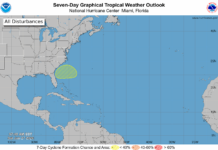
The storm, which began as a tropical disturbance on June 20, quickly developed into a major hurricane, impacting multiple islands before setting its sights on Jamaica yesterday.
Elizabeth Riley, Executive Director of the Caribbean Disaster Emergency Management Agency (CDEMA), provided a sobering assessment of the situation.
“We can confirm that there has been some impact in Barbados, St Lucia, minimal impacts for Dominica. But it is very clear that it was the Grenadines of Saint Vincent, particularly Canouan, Mayreau and Union Island, as well as Grenada, [and its islands of] Carriacou and Petite Martinique, which bore the brunt of Hurricane Beryl,” Riley stated during a press briefing Wednesday morning.
The scale of destruction is staggering.
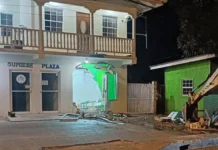
On Canouan, an island with a population of about 12,600, the entire community has been affected, with an estimated 90 percent of houses either extensively damaged or completely destroyed.
Union Island, home to 3,000 residents, fared even worse, with 98 percent of buildings, including houses and the airport, severely damaged or destroyed.
The island’s hospital lost its roof, and its power infrastructure suffered significant damage.
Mayreau and Petite Martinique reported similar levels of devastation, with 90 percent and 80 percent of buildings damaged or destroyed, respectively.
Palm Island saw its resort and crucial desalination plant significantly damaged.
In Carriacou, the entire population of over 6,000 has been affected, with the majority of homes and buildings extensively damaged.
Riley emphasised the gravity of the situation, stating, “The overall picture with respect to the Grenadine islands is quite severe and of course the focus at this time is on the population, which has been significantly impacted.”
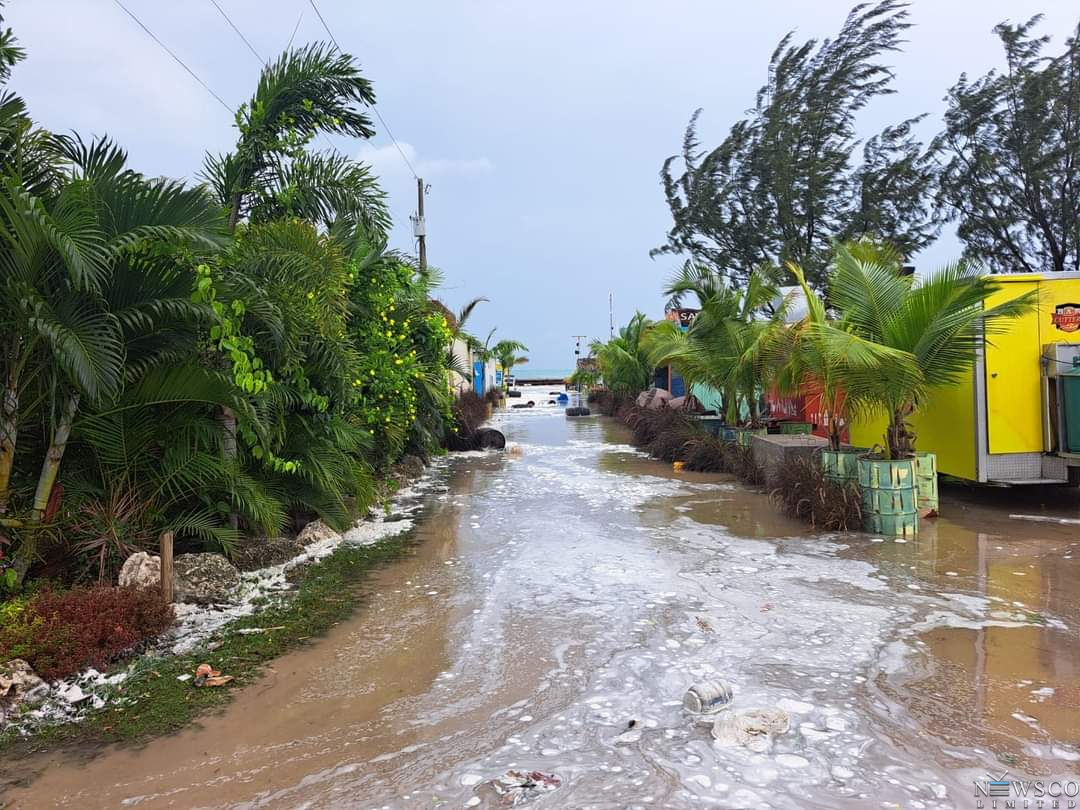
While larger islands like Barbados experienced less severe damage, the impact is still notable.
Over 40 homes were confirmed as damaged in Barbados, with numbers expected to rise as further evaluations are completed.
The island’s fishing sector was hit hard, with more than 200 boats damaged and significant destruction to coastal infrastructure, particularly along the south coast.
The full extent of the damage is still being assessed, as some areas remain difficult to access due to rough seas and logistical challenges.
“In many of these islands, access is only by boat, and we would appreciate that the seas have been very rough,” Riley explained.
CDEMA and other regional organisations are coordinating closely with the governments of affected countries to conduct comprehensive damage assessments and organise relief efforts.
The focus is now on providing immediate assistance to those displaced, and beginning the process of rebuilding.
While official fatality figures have not been confirmed, the widespread destruction of infrastructure, housing, and essential services paints a picture of a long and challenging recovery ahead.
As Riley noted, “We have to emphasise the points of building resilience across our states, and building resilience at the sectoral and the community level is absolutely critical.”