



















































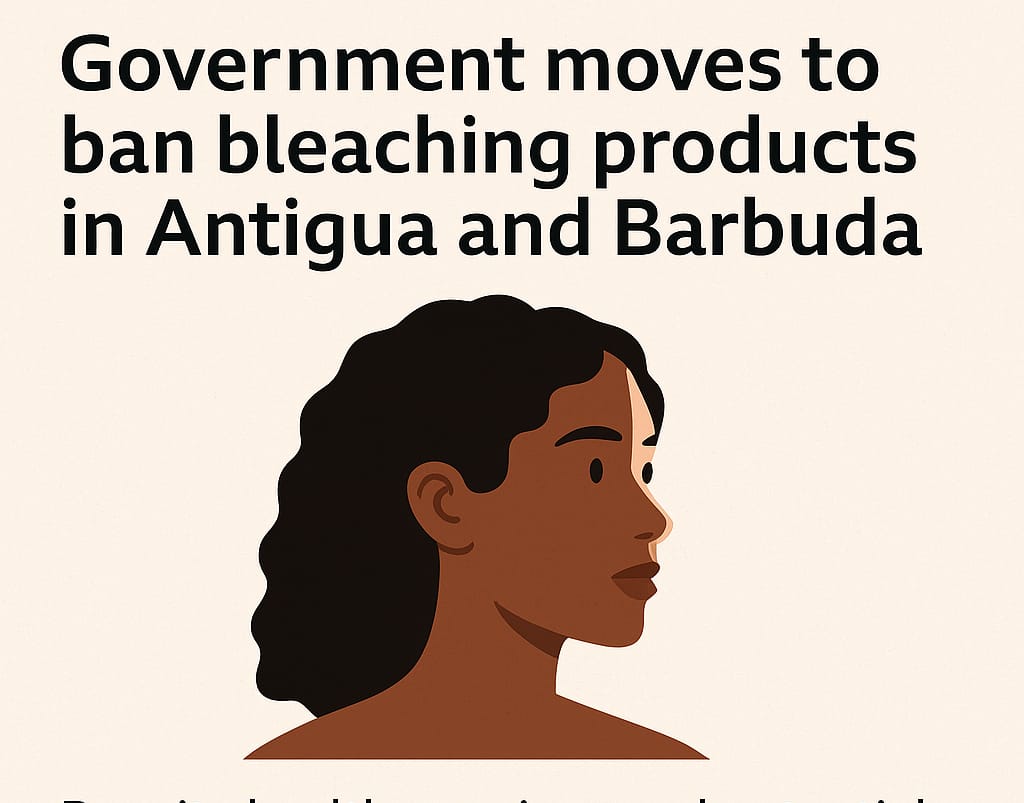
Antigua and Barbuda is taking legislative steps to ban bleaching creams and skin-lightening cosmetics containing harmful chemicals, but the practice remains widespread across the islands.
Despite health warnings from officials like Dr Leroy Christian, Director of Analytical Services, about the dangers of ingredients such as mercury—linked to kidney disease and cancer—many citizens continue to use these products as part of their beauty routines. Over 200 such items, including brands like Ambi, Carowhite, and “cake soap,” are still readily available in stores and pharmacies.
Vendors such as Topface’s owner, who has sold skin-lightening products for over a decade, say demand remains high among men, women, and even school-aged girls. “It clears blemishes and lightens skin,” said.
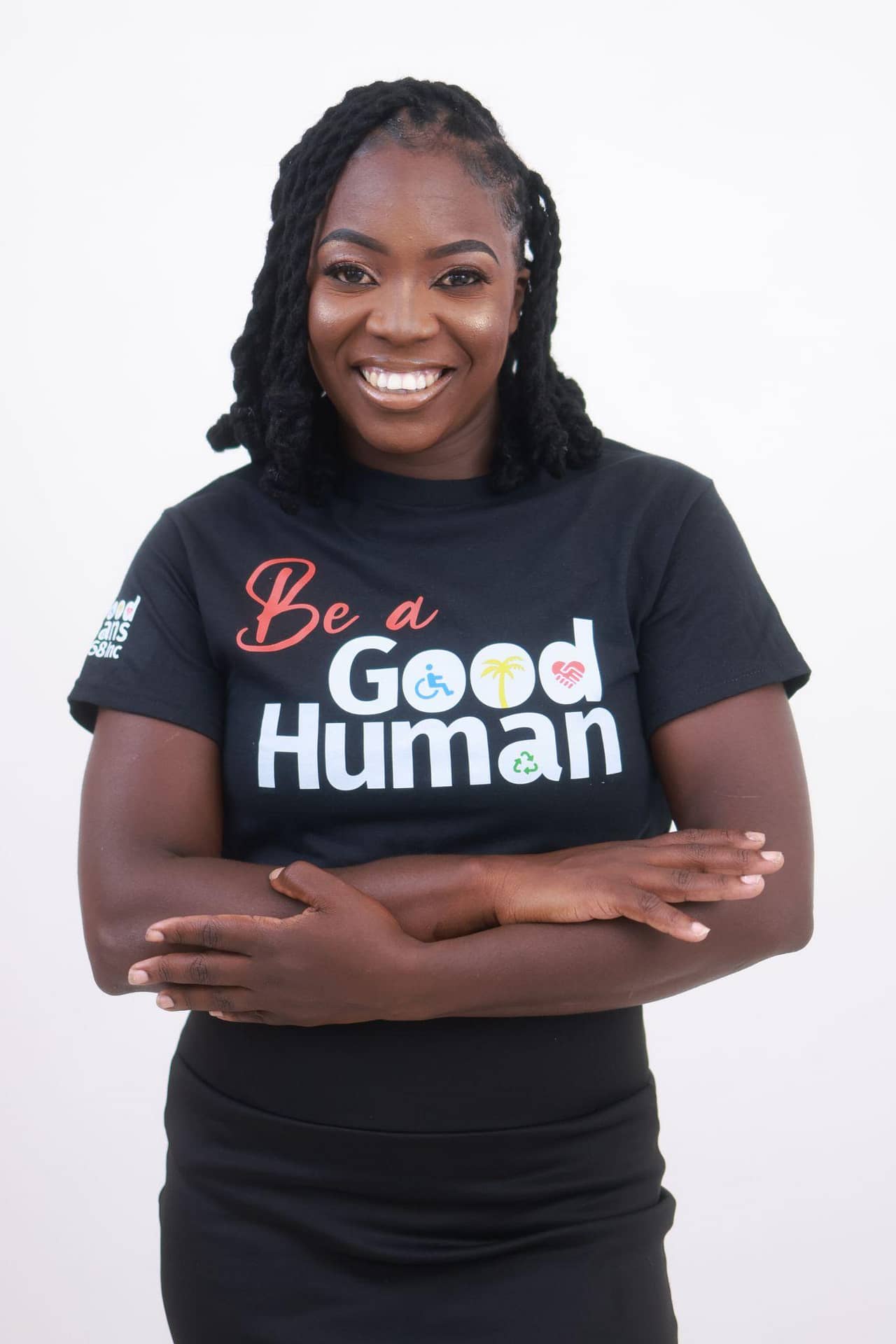
However, others see the trend as a deeper reflection of societal pressures. Mental health advocate Chanel Imhof, who faced colorism growing up, says the preference for lighter skin is rooted in colonial legacies, racism, and internalised anti-Blackness. “There’s a standard of beauty placed upon us that we’ve been taught to aspire to—one that says lighter is better,” she said.
Imhof and others urge a cultural shift to embrace natural skin tones and dismantle harmful ideals. “Black is beautiful,” she added. “There’s nothing better than being you and loving yourself for who you are.”
While the government pushes forward with its regulatory crackdown, the skin bleaching debate continues to stir questions about identity, self-worth, and the long shadow of colonial beauty standards.