




































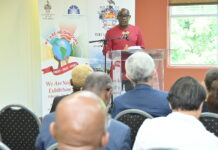

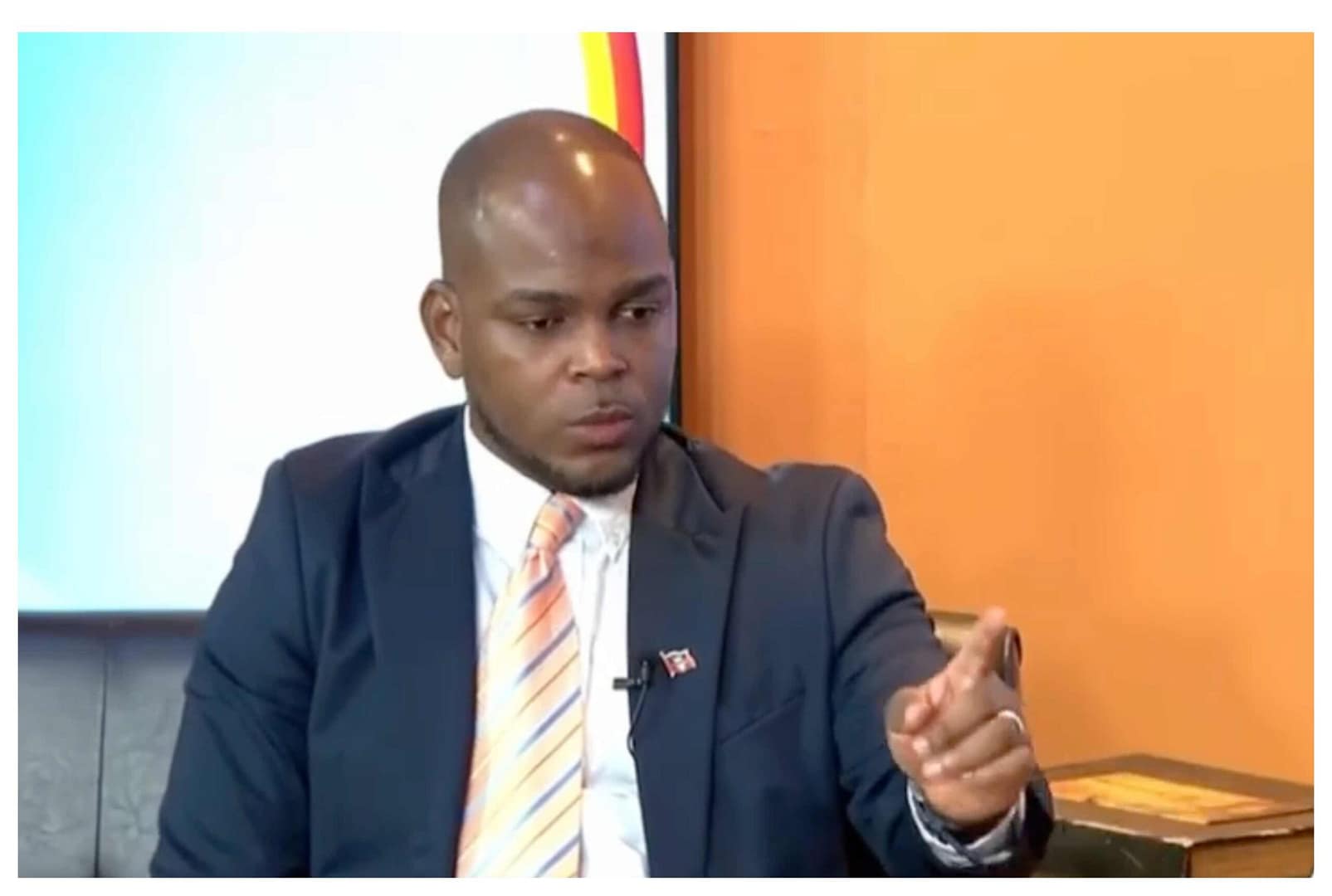
Senator Michael Joseph has warned that Antigua and Barbuda faces a growing health challenge as non-communicable diseases (NCDs) rise while vaccination rates fall in several major countries.
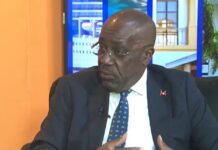
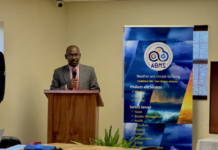
Speaking on _Government in Motion_ on ABS-TV, the Minister of State in the Ministry of Health, Wellness and the Environment said the country is dealing with a “dual burden” of lifestyle-related illnesses and the re-emergence of infectious diseases.
“So I’ll start with the most difficult one, which is the non-communicable diseases,” Joseph said. “Currently, our region leads the largest number of individuals that are affected with non-communicable diseases. It’s currently the leading cause of death amongst people within our region. So that’s a major issue for us.”
He listed high blood pressure, diabetes, cholesterol, strokes and cancer as the main causes of concern. “Unless we’re able to curtail them, they will continue to place huge financial burdens on our health budgets,” he said. “Health expenditure increases every year. Unless we find some sort of mechanism to keep up with the financial demands, it’s going to create a health challenge for us worse than it is right now.”
The senator also raised concern about the decline in vaccination coverage globally, noting that some developed nations are rolling back requirements for school vaccinations. He said this trend could increase the risk of infectious diseases returning to the Caribbean.
“With the change in the geopolitical landscape, where select countries are rolling back specific regulations as it pertains to health, the requirement for vaccinations within schools, you start to see this climb in the re-emergence of measles in high numbers,” Joseph said. “You start seeing mumps, rubella and even polio now. And so we’re very, very concerned because we live in a globalized world.”
He warned that the rollback could directly affect Antigua and Barbuda, which relies heavily on tourism and has strong travel connections to many of these countries. “While traditionally we’ve had the comfort of knowing that we’ve had high numbers of vaccination, we’re seeing dips in vaccination where households are saying that they’re no longer interested,” Joseph said. “That means we’re opening ourselves to where we’re going to have these communicable diseases coming in — and again, an increase on our health budgets and our health infrastructure.”
Joseph said the government is working with regional and international health partners to strengthen both prevention and treatment strategies. He added that the Ministry of Health’s participation in the new PAHO regional cooperation strategy will help Antigua and Barbuda better prepare for future health threats.