










































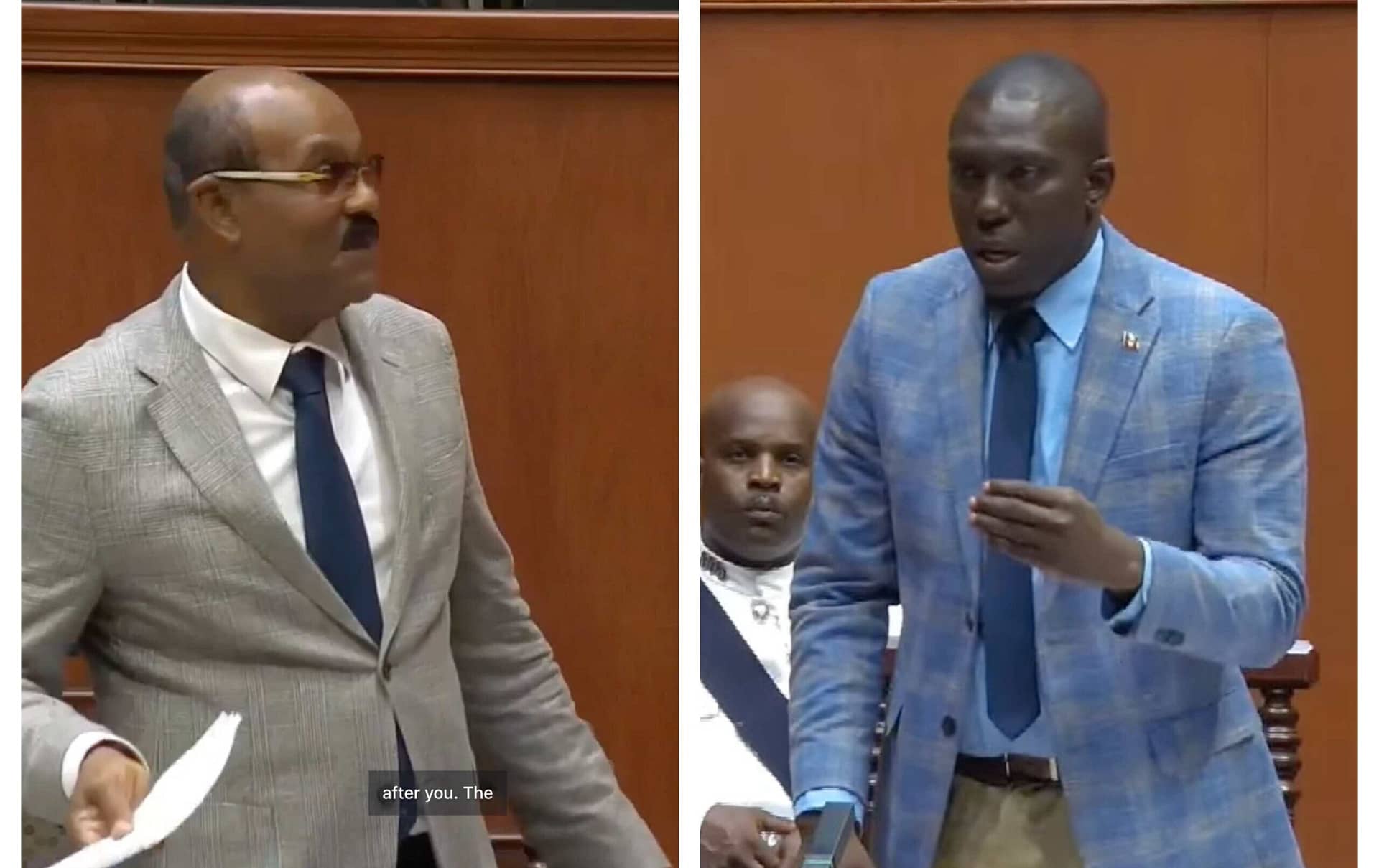
The Antigua and Barbuda Parliament has passed the _Vehicles and Road Traffic Amendment Bill 2025_, approving an increase in motor vehicle licensing fees despite strong objections from the opposition. The fee adjustment, which raises the annual licensing cost for motor cars by up to $100, was a key point of contention during Monday’s parliamentary session.
Prime Minister Gaston Browne, who introduced the bill, defended the increase as a necessary step to finance critical road repairs. He explained that the Antigua and Barbuda Transport Board would now collect and retain licensing fees directly, rather than acting as an agent for Inland Revenue. This change, he said, was crucial for financial transparency and to satisfy banks providing a $100 million bond to accelerate roadworks.
Browne emphasized that licensing fees had remained largely unchanged for over 30 years, aside from a minor adjustment for SUVs in 2005. While an initial 40% across-the-board hike was proposed, the government revised its plan after consultations, capping the increase at $100 for motor cars. Larger SUV’s and heavy duty equipment will attract the 40%, public transport vehicles are exempt.
“Consultations do not mean seeking permission,” Browne stated. “We engaged in discussions through various fora, including social media and public debates. Many agreed that a $100 increase was reasonable.”
The Prime Minister argued that the additional revenue was essential to improving infrastructure and ensuring safer roads, noting that previous tax waivers on vehicle imports had benefited citizens. He dismissed opposition concerns as political opportunism, accusing them of rejecting the increase without offering viable alternatives.
Opposition Leader Jamale Pringle, the Member for All Saints East and St. Luke, strongly opposed the fee hike, stating that it would disproportionately affect struggling citizens. He pointed out that for some small vehicles currently paying $250, the additional $100 represented a 40% increase.
“I will not support any increase on the people of Antigua and Barbuda,” Pringle declared, arguing that the government had failed to account for how past road maintenance funds were spent. “For the last 10 years, we have only seen two major roads repaired, and those were funded by a grant from the United Kingdom. Where has all the money collected for road repairs gone?”
Pringle criticized the government for placing additional financial strain on average citizens while high-income earners and government officials remain unaffected. He noted that business executives and ministers often have their vehicle expenses covered by their companies or the state, making the increase more burdensome for the working class.
“The government talks about empowering people by reducing vehicle import duties, but now they’re clawing back those benefits through this fee hike,” he said. “This increase will also raise the cost of goods and services because businesses will pass on the additional expenses to consumers.”
He also raised concerns about the financial management of the Antigua and Barbuda Transport Board, questioning why the agency had not produced audited financial statements for over a decade.
“How can we justify this increase when there is no accountability for how funds have been managed?” Pringle asked. “The Transport Board has been retaining revenue meant for Inland Revenue, and we still don’t know where that money has gone.”
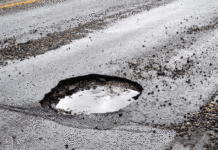
Pringle further criticized the government’s handling of road construction projects, alleging that roads were often paved and then later excavated for drainage installation, leading to unnecessary deterioration and wasted funds.
“Citizens are being asked to pay more, yet roadworks remain poorly planned and executed,” he added. “Before increasing fees, the government must ensure transparency and efficiency in how road funds are managed.”
Despite the opposition’s objections, the government used its parliamentary majority to pass the bill. The new fees will take effect when passed in the Upper House and Gazetted with revenue earmarked for road repairs across the country.
While Browne insisted that the increase was necessary for national development, opposition members vowed to continue pressing for financial transparency and accountability in government spending.