























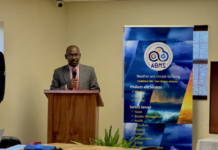













The Director of the Antigua and Barbuda Meteorological Service (ABMS), Dale C. S. Destin, has urged greater investment in disaster preparedness and resilient infrastructure, marking International Day for Disaster Risk Reduction 2025 under the global theme _“Fund Resilience, Not Disasters.”_
In a message to the public, Destin emphasised that the most effective investment a nation can make lies in preparation rather than post-disaster recovery. He highlighted the crucial role of the ABMS in safeguarding lives and livelihoods through its multi-hazard early warning systems, which have proven vital during severe weather events such as Tropical Storm Jerry.
However, he noted that even the Meteorological Office itself was flooded during that storm — a stark reminder of the urgent need for a _“climate-resilient, purpose-built Meteorological Office capable of withstanding the full range of hazards we face.”_
Destin pointed to research by the World Meteorological Organization (WMO), the World Resources Institute, and the U.S. Chamber of Commerce Foundation showing that every dollar invested in early warning systems can generate returns of up to $15 by reducing losses and preserving livelihoods. The Global Commission on Adaptation estimates a 1:9 cost-benefit ratio, while the WMO reports that an $800 million global investment in developing countries could prevent up to $16 billion in annual losses.
“Hazards can cause 30% less damage when there’s even 24 hours’ advance notice,” Destin noted, underscoring the importance of timely warnings and robust infrastructure.
He called on policymakers and the public to “truly fund resilience” by prioritising both technological and structural improvements that will allow early warning systems to continue saving lives for generations to come.