

THE DAY AFTER THE LANDSLIDE
What Grenada’s Election Teaches the Caribbean About Power, Opposition and the People’s Trust
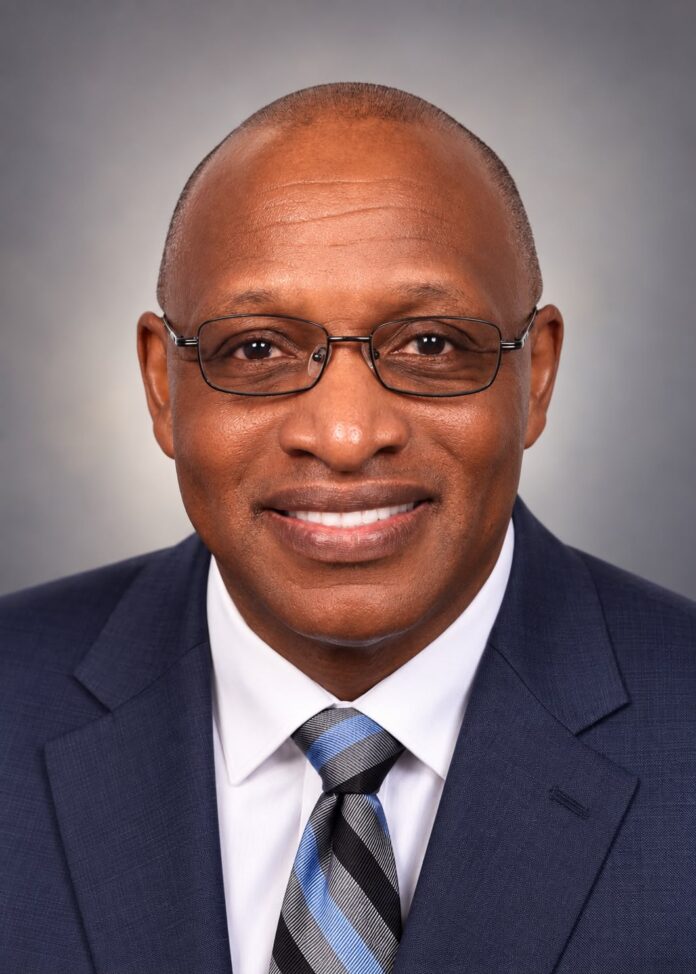
By Dr. Isaac Newton
Grenada has delivered a decisive electoral verdict. On November 5, 2026, Prime Minister Dickon Mitchell’s National Democratic Congress (NDC) secured 14 of 15 parliamentary seats, reducing the New National Party (NNP) to one. Beneath this extraordinary result lies a democratic distinction worth examining. The NDC received approximately 61 per cent of the popular vote, while the NNP secured 36.8 per cent, representing more than 22,500 voters. One party now commands almost the entire Parliament, yet more than a third of participating voters supported another political choice. That is the mathematics of constituency-based elections, but it carries an important responsibility. The government must govern beyond its political base, protect independent institutions and deliver measurable improvements in people’s lives. The opposition must continue representing those who entrusted it with their votes. A parliamentary majority determines who governs. It does not confer ownership of the country.
For the NNP, recovery must begin with an honest examination of its defeat. An independent post-election review should assess constituency performance, candidate selection, voter participation, campaign organisation and declining public confidence. The party must rebuild its community networks, develop younger leaders, strengthen women’s participation and present credible policies on employment, healthcare, education and economic opportunity. Its more than 22,500 supporters represent a substantial constituency deserving serious representation. Historical loyalty, however, cannot substitute for contemporary credibility. The NDC faces a corresponding responsibility. It should establish measurable development targets, publish regular progress reports, strengthen parliamentary oversight and ensure its commanding majority produces accountability rather than complacency. Both parties must recognise that political support is continuously earned. The NNP must understand why confidence was withdrawn. The NDC must demonstrate why confidence was deserved. Grenada needs an opposition capable of constructive scrutiny and a government willing to welcome it.
Two important lessons extend to St. Kitts and Nevis and Dominica as they approach their next general elections. First, governing parties must recognise that electoral victories represent renewable public trust, not permanent political property. The cost of living, public services, employment, institutional integrity and equitable development will continue shaping citizens’ judgments. Second, opposition parties must build credible alternatives long before campaigns begin. Strong constituency organisations, capable candidates, informed policy proposals, community engagement and sustained public dialogue require years of preparation. St. Kitts and Nevis must also respect the distinct interests and constitutional relationship of its two islands. Dominica must give sustained attention to democratic participation, institutional accountability and inclusive development. Grenada has given the Caribbean an important opportunity for reflection. Its lesson extends beyond political parties and election results. Power is entrusted by the people, exercised in their name and justified by the difference it makes in their lives. Governments eventually surrender office. Parties eventually surrender their place in history. What endures is the quality of the institutions they leave behind, the opportunities they create and the dignity they secure for future generations. Elections decide who gets power. Leadership determines what that power leaves behind. And history remembers the difference.
Editor’s Note: Dr. Isaac Newton is a leadership strategist, governance scholar and author specializing in institutional excellence, ethical leadership and human development. Educated at the University of the Southern Caribbean, Oakwood University, Princeton, Columbia and Harvard, he writes on leadership, governance and institutional development. His books include Fix It Preacher, Face Life Squarely and Intimate Intimacy. He is also co-author of Steps to Good Governance, Daring to Hope, When Nations Kneel and The Belief Code.
Source: Antigua News Room COMMENTARY: The Day After The Landslide.